

Vocational Nursing
Built to align with the real-world responsibilities of practical nurses.

Fast Track to Nursing
In as Little as 12 Months*

Financial Aid Options
To Make Tuition Affordable**

Supportive Learning
Tutoring and Mentoring
Rated the #1 LVN Program in Santa Ana and #2 in California by PracticalNursing.org!
Overview
Discover Our Vocational Nursing Program at CNI College
The Vocational Nursing Program at CNI College is designed to empower students with the essential knowledge, skills, and competencies for enhancing the health and well-being of individuals. It prepares students to provide basic nursing care for acutely and chronically ill clients across a variety of settings, including hospitals, skilled nursing facilities, clinics, doctor’s offices, long-term care, corrections, home health care, and nursing registries. With an emphasis on developing competencies for predictable health outcomes in structured environments, the program lays a solid foundation for a rewarding career in nursing, ensuring graduates are well-equipped to meet the demands of their future roles in healthcare.
*Program length when completed on standard schedule.
**Financial aid available to those who qualify.
Program Goals and Objectives
The primary goal of the Vocational Nursing diploma program at CNI College is to provide a comprehensive education that blends practical medical knowledge with compassionate patient care, preparing students to become proficient licensed vocational nurses (LVNs). This career path is not only rewarding but also critical in the healthcare system, as it requires a dedication to patient well-being and medical excellence.
Students in the program are engaged in a rigorous curriculum that includes both classroom instruction and the required clinical experiences. These components are designed to equip students with real-world skills and knowledge necessary for entry-level employment as Licensed Vocational Nurses upon successful completion of the program.
A significant focus is placed on preparing students to take and pass the National Council Licensure Examination (NCLEX-PN), which is essential for licensure as a practical or vocational nurse. The culmination of the program is a comprehensive review course, specifically tailored to reinforce all learned material and to intensify preparation for the NCLEX-PN, ensuring that graduates are thoroughly prepared for their licensing exams and ready to embark on their nursing careers with confidence.
Duration
Program Duration and Structure
The Vocational Nursing Program at CNI College is structured to accommodate students through a comprehensive curriculum spread across four terms. The program is designed to last 12 months depending on student’s schedule, ed plan, transfer of credits and holidays.
This duration and structure are thoughtfully crafted to ensure that all students receive a thorough and immersive educational experience, preparing them for a successful career in vocational nursing.
“At the beginning, I felt nervous and unsure about my abilities, especially with new skills and expectations. Over time, with practice, support, and hands-on experience, I started to feel more comfortable and capable. I learned to trust myself more, ask questions when needed, and handle challenges with a better mindset.”
Alexan R.VN Graduate
Curriculum
Curriculum and Course Overview
CNI College offers an integrated approach to nursing education, combining theoretical knowledge with practical skills. The curriculum encompasses a broad spectrum of subjects, including anatomy and physiology, pharmacology, pediatric and medical-surgical nursing, as well as mental health nursing, ensuring students receive a comprehensive foundation in nursing principles and practices.
Clinical experiences and hands-on training form a critical part of the curriculum, providing students the opportunity to apply classroom learning in real-world healthcare settings under the supervision of experienced professionals. This blend of academic rigor and practical application prepares students thoroughly for the National Council Licensure Examination (NCLEX-PN) and a successful career in vocational nursing, equipping them with the competence and confidence to excel in diverse healthcare environments.
Advanced Nursing Practices and Technology Integration
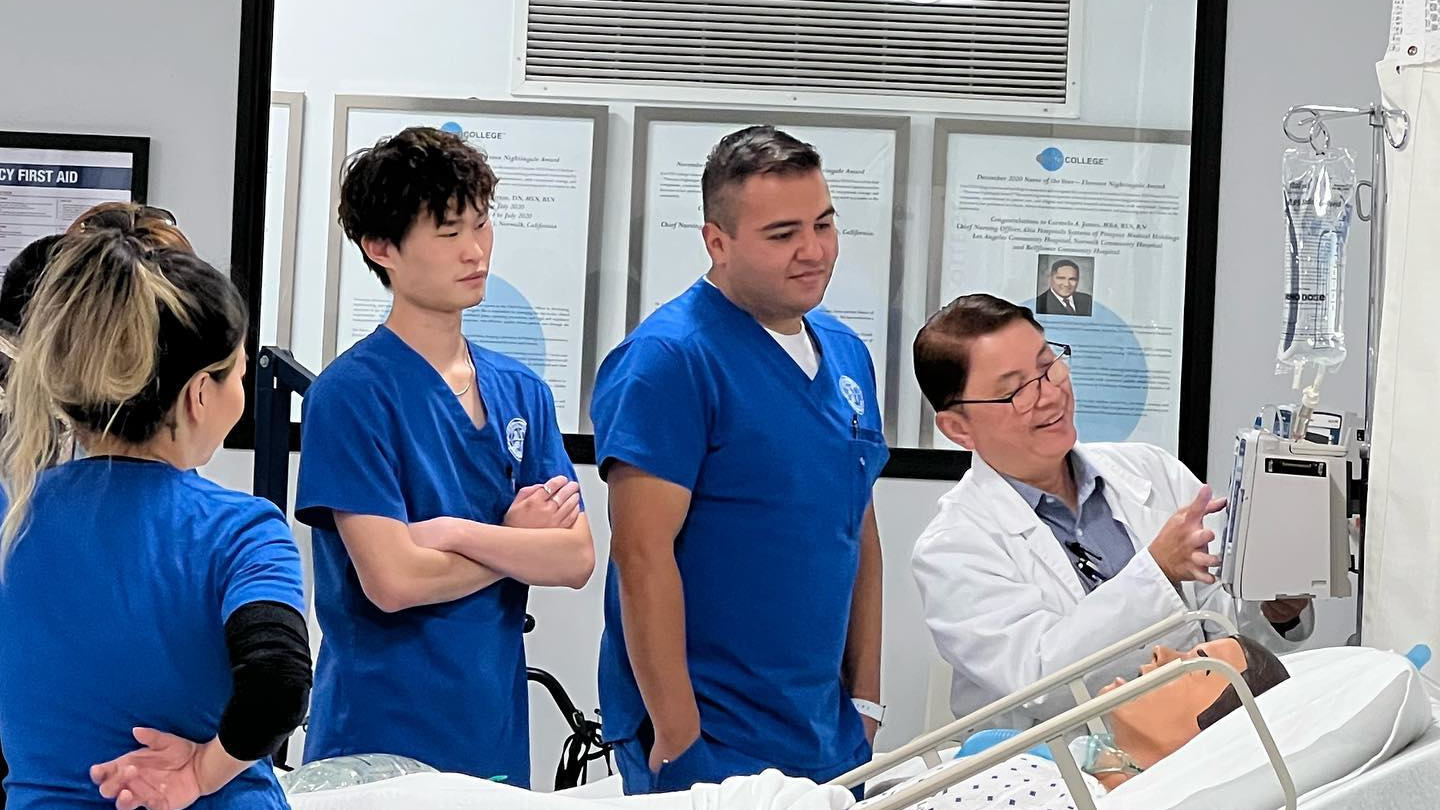
The integration of advanced nursing practices and technology is a cornerstone of our educational approach, ensuring students develop a practical, working knowledge of the equipment and materials they will encounter in their professional roles. The campus is equipped with state-of-the-art facilities that comply with all state and local ordinances and regulations, featuring nursing simulation rooms, skills laboratories, and a comprehensive Learning Center.
Classrooms and labs are designed to support a conducive learning environment with WIFI access, advanced learning technologies, and capacities ranging from 45 to 60 students. The science lab offers computer-assisted virtual labs and hands-on competency building experiences, complemented by a library study room, student lounge, and ample computer resources, including laptops provided to all VN students for their course studies.
The Skills Lab and Simulation Lab at the CNI College Nursing Program Learning Center are specifically tailored to replicate real-world acute care settings, providing students with immersive, simulated clinical experiences.
The Skills Lab features 10 beds and manikins set up to mimic an acute care environment, equipped with essential medical equipment and supplies for simulated nursing care. The Simulation Lab enhances learning with high-fidelity simulators, including adult human simulators and a maternal and neonatal birthing simulator, supported by audio and video recording capabilities for debriefing and learning reinforcement. These facilities allow students to practice and refine their nursing skills in a controlled, realistic environment, preparing them for the challenges and responsibilities of their future nursing careers.
Courses
Vocational Nursing Course Descriptions
VN 100 – Introduction To Client Centered Care 1-A
Term 1-A is designed to provide the student with an orientation to the college and an introduction to the role of the student nurse in the nursing profession. It includes a discussion of all the policies and procedures applicable to the program. As a fundamental course, Term 1-A is intended to initiate an understanding of basic nursing skills and concepts required to assist a client in meeting their health care needs. Concepts and skills included are growth and development, effective communication, interpersonal skills, physical assessment, documentation, safety, emergency procedures, infection control, and death and dying. Medical terminology, Orem’s self-care theory, and the nursing process are also introduced. An active skills lab component is integrated within the term. Term 1-A provides the framework for the development of the initial skills required for all subsequent specialty areas of clinical nursing. Assessment Technologies Institute (ATI) material will be used as a tool to enhance this course’s subject matter.
VN 105 – Introduction To Client Centered Care 1-B
Term 1-B continues the fundamental concepts upon which subsequent courses in the program build. Beginning concepts of the nursing care of the surgical client (pre-and post-operative), anatomy and physiology, and pharmacology are started. Applications of pharmacology, including principles of medication actions and interactions, both therapeutic and adverse, and the basis for the study of individual medications, are incorporated.
Calculation of medication dosages, preparation, administration, and storage is also emphasized. An active skills lab component is integrated within the term. Assessment Technologies Institute (ATI) material will be used as a tool to enhance this course’s subject matter.
VN 200 A – Life Cycles, Integumentary System
Life cycles of middle adults will introduce the student to the developmental tasks associated with the adult 35-65. Physical, social, and emotional characteristics will be identified. The integumentary system will introduce the student to the anatomy and physiology of the integumentary system. The student will also be introduced to the etiology of common integumentary disorders/diseases, and the diagnosis, treatment, and prevention of disease. Related pharmacological agents and nutritional needs are discussed. Assessment, emergency treatment, and the complications of major burns are also identified. The unit emphasizes the nursing interventions and the psychosocial aspects for the care of the client with an integumentary disorder. Selected clinical experiences will allow the student to practice appropriate nursing skills. Assessment Technologies Institute (ATI) material will be used as a tool to enhance this course’s subject matter.
VN 200 B – Musculoskeletal System
The musculoskeletal system introduces the student to the anatomy and physiology of the muscles, bones, and related structures. The student will also be introduced to the etiology of common musculoskeletal disorders/diseases, and the diagnosis, treatment, and prevention of disease. Related pharmacological agents, nutritional needs, and changes with aging are discussed. The unit emphasizes the nursing interventions and the psychosocial aspects for the care of the client with a musculoskeletal disorder. Selected clinical experiences will allow the student to practice appropriate nursing skills. Assessment Technologies Institute (ATI) material will be used as a tool to enhance this course’s subject matter.
VN 200 C – Respiratory System
The respiratory system introduces the student to the anatomy and physiology of the upper and lower respiratory system. The student will also be introduced to the etiology of common respiratory disorders/diseases, and the diagnosis, treatment, and prevention of disease. Related pharmacological agents, oxygen precautions/interventions, and nutritional needs are discussed. The unit emphasizes nursing interventions and the psychosocial aspects for the care of the client with a respiratory disorder. Selected clinical experiences will allow the student to practice appropriate nursing skills. Assessment Technologies Institute (ATI) material will be used as a tool to enhance this course’s subject matter.
VN 200 D – Cardiovascular System
The cardiovascular system introduces the student to the anatomy and physiology of the heart and gives a detailed description of the blood and how it circulates through the body. The differences between veins and arteries, blood and lymph, angina and MI are delineated. The student will also be introduced to the etiology of common cardiovascular disorders/diseases, and the diagnosis, treatment, and prevention of disease. Related pharmacological agents and nutritional needs are discussed. The unit emphasizes the nursing interventions and the psychosocial aspects for the care of the client with a cardiovascular disorder. Selected clinical experiences will allow the student to practice appropriate nursing skills. Assessment Technologies Institute (ATI) material will be used as a tool to enhance this course’s subject matter.
VN 200 E – Gastrointestinal System
The gastrointestinal system introduces the student to the anatomy and physiology of the gastrointestinal system, accessory organs, and a description of the process of digestion. The student will also be introduced to the etiology of common gastrointestinal disorders/diseases, and the diagnosis, treatment, and prevention of disease. Related pharmacological agents and nutritional needs are discussed. The unit emphasizes the nursing interventions and the psychosocial aspects for the care of the client with a gastrointestinal disorder. Selected clinical experiences will allow the student to practice appropriate nursing skills. Assessment Technologies Institute (ATI) material will be used as a tool to enhance this course’s subject matter.
VN 300 A – Endocrine System
The endocrine system introduces the student to the anatomy and physiology of the endocrine system, including how hormones work on a negative feedback system and are specific to target cells/organs. The student will also be introduced to the etiology of common endocrine disorders/diseases, and diagnosis, treatment, and prevention of diseases. Related pharmacological agents and nutritional needs are discussed. The unit emphasizes nursing interventions and the psychosocial aspects for the care of the client with an endocrine disorder. Additional emphasis is placed on the care of the diabetic client, administration of insulin, and signs of diabetic complications. Selected clinical experiences will allow the student to practice appropriate nursing skills. Assessment Technologies Institute (ATI) material will be used as a tool to enhance this course’s subject matter.
VN 300 B – Renal / Urinary System
The urinary system introduces the student to the anatomy and physiology of the urinary system, including the process of urine formation, fluid and electrolyte control, acid-base balance, excretion of waste products, blood pressure regulation, red blood cell production, and regulation of calcium-phosphate metabolism. The student will also be introduced to the etiology of common urinary disorders/diseases, and the diagnosis, treatment, and prevention of diseases. Related pharmacological agents, nutritional needs, and changes with aging are discussed. The unit emphasizes the nursing interventions and the psychosocial aspects for the care of a renal failure client and the client receiving dialysis. Selected clinical experiences will allow the student to practice appropriate nursing skills. Assessment Technologies Institute (ATI) material will be used as a tool to enhance this course’s subject matter.
VN 300 C – Immunology
The immunology unit introduces the student to the main functions of the Immune System: to protect the body against invading organisms, to maintain homeostasis by removing damaged cells from the system, and to serve as a surveillance network for recognizing and guarding against the development and growth of abnormal cells. The student will be introduced to the types of immunity and the mechanisms of the immune response. The etiology of common immune disorders/diseases, and the diagnosis, treatment, and prevention of disease are also introduced. Related pharmacological agents, nutritional needs, and changes with aging are discussed. The unit emphasizes nursing interventions and the psychosocial aspects for the care of the client with an immune disorder. Selected clinical experiences will allow the student to practice appropriate nursing skills. Assessment Technologies Institute (ATI) material will be used as a tool to enhance this course’s subject matter.
VN 300 D – Oncology
The oncology unit introduces the student to the care of the client with cancer. The student will be introduced to the etiology of common cancers, the prevention and detection of cancer, pathophysiology, diagnosis, and treatment of cancer. Related pharmacological agents and nutritional needs are discussed. The unit emphasizes the nursing interventions and the psychosocial aspects for the care of the client with cancer. Selected clinical experiences will allow the student to practice appropriate nursing skills. Assessment Technologies Institute (ATI) material will be used as a tool to enhance this course’s subject matter.
VN 300 E – Neuro / Sensory System
The neuro / sensory system introduces the student to the anatomy and physiology of the neuron, the brain, the cranial nerves, the eye, and the ear. The student will also be introduced to the etiology of common neurosensory disorders/diseases, and the diagnosis, treatment, and prevention of disease. Related pharmacological agents and nutritional needs are discussed. The unit emphasizes the nursing interventions and the psychosocial aspects for the care of the client with a neurosensory disorder. Special emphasis is placed on neurologic assessment and measurements. Selected clinical experiences will allow the student to practice appropriate nursing skills. Assessment Technologies Institute (ATI) material will be used as a tool to enhance this course’s subject matter.
VN 400 A – Reproductive System
This course provides an overview of the anatomy and physiology of the male and female reproductive systems, as well as common conditions and disorders that affect reproductive health. Students will study the menstrual cycle, reproductive aging, inflammatory conditions, and related pathologies, along with diagnostic testing and medical management. The course emphasizes the nurse’s role in patient education, health promotion, and providing evidence-based nursing interventions, including guidance on self-examinations, post-mastectomy care, and psychosocial support. Selected clinical experiences will allow the student to practice appropriate nursing skills. Assessment Technologies Institute (ATI) material will be used as a tool to enhance this course’s subject matter.
VN 400 B – Obstetrics
The obstetrics unit explains the physiology of conception and describes the anatomical and physiological changes that take place during pregnancy, labor and delivery, and the postpartum period. Appropriate diagnostic and nutritional requirements are discussed. The unit includes fetal development, complications of pregnancy, newborn assessment, and disorders of the newborn. Special emphasis is placed on the effects of drugs and alcohol usage during pregnancy. Nursing interventions and the psychosocial aspects regarding the care of the client during pregnancy, labor, and delivery, and the postpartum period are discussed. Selected clinical experiences will allow the student to practice appropriate nursing skills. Assessment Technologies Institute (ATI) material will be used as a tool to enhance this course’s subject matter.
VN 400 C – Pediatrics
The pediatric unit approaches the care of the client based on growth and development theory. Principles of growth and development from infancy to adolescence will be discussed. Unit content will include signs and symptoms of child abuse, common childhood diseases for each system, common pediatric procedures, related pharmacology, immunizations, nutritional needs, accident prevention, and nursing interventions. Special emphasis is placed on the impact illness has on the child as well as the family. Selected clinical experiences will allow the student to practice appropriate nursing skills. Assessment Technologies Institute (ATI) material will be used as a tool to enhance this course’s subject matter.
VN 400 D – Nursing Specialties, Rehab
This unit will describe factors that influence an individual’s response to change and stress. The effective use of defense mechanisms has been identified. The student is expected to utilize effective therapeutic communication skills and assist the client throughout the rehabilitation process. Basic factors affecting mental health, mental health deficits, addictive personalities, alcoholism, and chemical abuse are described. Related pharmacological agents and nutritional needs are discussed. Selected clinical experiences will allow the student to practice appropriate nursing skills. Assessment Technologies Institute (ATI) material will be used as a tool to enhance this course’s subject matter.
VN 400 E – Leadershp / Supervision
The Leadership/Supervision unit will introduce the student to styles of leadership, approaches to nursing care, characteristics of effective leadership, developing leadership skills, the role of the LVN, assertive behavior, communication skills, mental mechanisms, and goal achievement. Assessment Technologies Institute (ATI) material will be used as a tool to enhance this course’s subject matter. The course delivery method is residential.
VN 400 F – Nursing Integration
The nursing integration course explores ethical and legal aspects, negligence, malpractice, informed consent, and the Nurse Practice Act and its mandates. Home health, death and dying, hospice, disaster nursing, and the role of the health care team are included. Incorporated is the role of the transition of the student nurse to a vocational nurse. Organizations relevant to the vocational nurses are discussed. Selected clinical experiences will allow the student to practice appropriate nursing skills within the scope of practice. This course will strengthen the students’ ability to understand and apply nursing concepts and skills using critical decision making required using computerized adaptive testing in preparation for a comprehensive predictability examination at the end of the course. This course will assist students in identifying areas of strength and areas of improvement prior to sitting for the NCLEX – PN examination. Assessment Technologies (ATI) material will be used as a tool to enhance this course’s subject matter.
Admissions
Admission to the Vocational Nursing Program
Admission to the Vocational Nursing Diploma Program is designed to select students who demonstrate the potential for success in the nursing field. The program has established a set of criteria to ensure that incoming students are well-prepared for the rigorous academic and clinical training they will undergo.
Admission Requirements
- Pass the Wonderlic (SLE) Exam
Candidates must achieve a minimum score of 18, pass the HESI exam with a minimum score of 75.0%, or pass the TEAS VII entrance exam with a minimum score of 50.0% to be considered for admission. - Pre-Vocational Nursing Program Academic Preparatory Course
Applicants are required to successfully complete the ATI SmartPrep course as a mandatory learning activity before commencing the Vocational Nursing Program. - Academic Performance
Students must complete all terms/systems with a grade of 75% or higher. Additionally, to graduate and be eligible to take the NCLEX exam, students must score 90% or higher on the ATI Exit Examination. - Skill Proficiency
Meet all clinical, clerical, classroom, and laboratory skill proficiency standards as applicable. - Clinical and Externship Requirements
Complete all clinical and externship hours with satisfactory evaluations. - Financial Obligations
Fulfill all financial obligations to the College prior to graduation. This includes attending Graduate and Financial Aid Exit Interviews, as applicable.
These requirements are put in place to ensure that students are fully prepared to embark on their journey to becoming competent and compassionate vocational nurses, equipped with the knowledge and skills necessary to excel in their future careers. For detailed guidelines and additional information, prospective students are encouraged to refer to the Vocational Nursing Program’s student handbook.
Faculty Qualifications and Expertise
The faculty at CNI College is distinguished by its exceptional academic qualifications and extensive professional experience, ensuring a dynamic and enriching educational environment for students. Our faculty members are carefully selected to bridge the gap between textbook theory and practical application, bringing a well-rounded perspective to the classroom. With many holding advanced degrees and industry certifications, our instructors have not only excelled in their respective fields but also embody the commitment to excellence that CNI College stands for. As active professionals within the disciplines they teach, they offer students invaluable insights and the benefits of real-world experience, enhancing the learning experience with practical knowledge and current industry practices. This blend of academic rigor and professional expertise equips CNI College students with the comprehensive education needed to succeed in their future careers.
Vocational Nursing Faculty
- Dr. Christina Baskaran, PhD, MSN, BSN
Dean of Nursing
University of California, Los Angeles (UCLA) - Maureen Ahearn, MSN, BSN, BA
Adjunct Instructor
California State University, Long Beach, CA; University of California, Irvine, CA - Jocelyn Argame, MSN, BSN
Instructor
California State University, Dominguez Hills, CA; California State University, Fullerton, CA
Clinical Experience and Hands-on Training
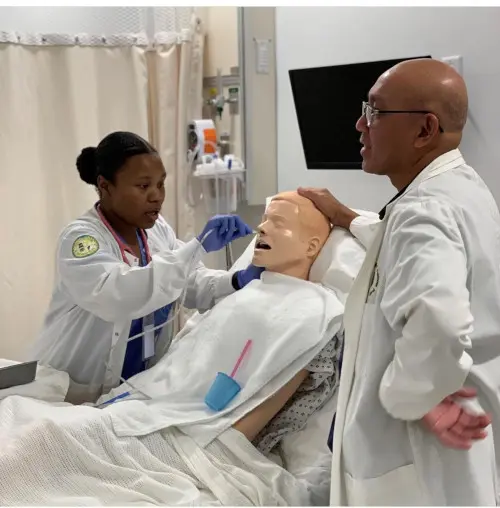
The Clinical Experience and Hands-on Training component of the Vocational Nursing Program is designed to ensure students develop the necessary skills for competent care of both acutely and chronically ill clients. Through immersive learning experiences in various structured settings, including hospitals, skilled nursing facilities, clinics, doctor’s offices, long-term care facilities, correctional facilities, home health care, and nursing registries, students gain the practical knowledge required to excel in their nursing careers.
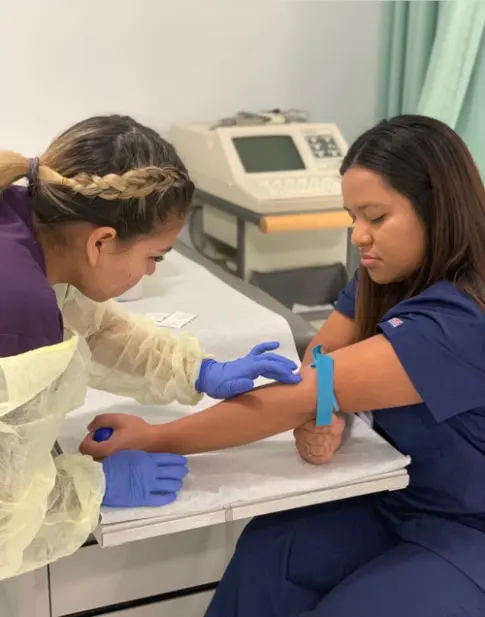
The program focuses on teaching students a wide range of essential nursing care skills within the vocational nurse’s scope of practice. These skills encompass basic hygienic and nursing care, vital signs measurement, client assessment, accurate documentation, execution of prescribed medical treatments, administration of medications, and the performance of non-medicated intravenous therapy and blood withdrawal, with the latter requiring additional Board certification.
This comprehensive approach to clinical training prepares students to confidently address patient needs and contribute effectively to healthcare teams.
Student-to-Faculty Ratio
We place a strong emphasis on maintaining an optimal student-to-faculty ratio to enhance learning outcomes and ensure personalized instruction. For theoretical classes, the average class size is maintained at around 30 students, fostering an environment conducive to interactive learning and individual attention.
In clinical rotations, the ratio is significantly reduced, with groups typically comprising 8-10 students, and often as few as 6. This smaller setting allows for more direct supervision and guidance from faculty members, ensuring that students receive the focused, hands-on experience they need to develop their nursing skills effectively and confidently.
Supporting Your Academic and Career Journey
At CNI College, we are dedicated to supporting your academic and career journey from the moment you enroll in our Vocational Nursing Program until long after you graduate. Our Career Services team is committed to providing comprehensive career preparation and placement assistance, working closely with students throughout the duration of their program. This ensures that you are not only academically prepared but also ready to face the challenges and opportunities of the real world.
Beyond career support, CNI College enhances student success through our Student Services Department, offering resources for personal challenges. We also host a chapter of the National Student Nurses Association (CNSA), providing unique benefits such as leadership opportunities, extracurricular activities, and community service projects. Membership in CNSA empowers students with a competitive edge and a platform for influence at both state and national levels. Our chapter’s active engagement, including a CNI College student serving as the statewide CNSA president, exemplifies our commitment to leadership development and community impact.
Financial Aid and Scholarships
CNI College offers robust financial aid services and advising for students pursuing healthcare careers, starting from admission. Our knowledgeable financial aid team guides students through understanding financial aid criteria and managing responsibilities, while admission advisors ensure students are well-informed about nursing employment requirements. Financial support includes grants applied directly to student accounts, with refunds issued for any excess. Cal Grant payments match only the actual tuition and fees, ensuring equity. California state grants and veterans’ education benefits under Chapters 31 and 33 are also processed timely, directly benefiting students’ accounts and supporting their educational endeavors without financial strain.
Job Placement and Career Opportunities
At CNI College, we ensure our students’ education is complemented with robust career preparation and placement assistance, boasting a placement rate of 71.43% for the 2022-2023 VN program. Our dedicated Career Services team works closely with students throughout their program, extending support through the Student Services Department for any personal issues impacting success. We successfully place graduates in diverse healthcare settings, such as skilled nursing facilities, hospitals, and home health companies, offering roles that range from full-time to per diem based on individual preferences. Our personalized approach includes one-on-one sessions post-licensure to discuss potential opportunities, assist with resume forwarding, and continuously share job opportunities until each graduate secures employment, ensuring a seamless transition into their nursing careers.
Accreditation and Licensing
CNI College, as a private institution, proudly holds approval to operate from the California Department of Consumer Affairs Bureau for Private Postsecondary Education, in accordance with California Education Code Section 94302. This approval signifies that CNI College meets the rigorous standards set under the law for occupational instruction provided by private postsecondary educational institutions. It reflects our commitment to offering high-quality educational programs that comply with the established legal requirements, ensuring our students receive education that is not only comprehensive but also recognized and respected within the professional community.
State of California Board of Vocational Nursing and Psychiatric Technicians (BVNPT)
1747 N. Market Blvd., Suite 225
Sacramento, CA 95833
Phone: (916) 263-7800
Fax: (916) 263-7857
www.bvnpt.ca.gov
Why Choose CNI College’s Vocational Nursing Program?
Choosing CNI College’s Vocational Nursing Program offers several distinct advantages that set it apart from other nursing programs. Our program is designed to focus on the practical skills and knowledge essential for a career as a Licensed Vocational Nurse (LVN), emphasizing hands-on training and real-world experiences to ensure students are workforce-ready in the shortest possible time.
Additionally, CNI College offers unparalleled career support services, assisting students in job placement and career advancement through resume building, interview preparation, and providing networking opportunities with potential employers. These elements combine to make our Vocational Nursing Diploma Program a superior choice for those aspiring to enter the nursing field efficiently and effectively.
Unique Facilities and Campus Resources
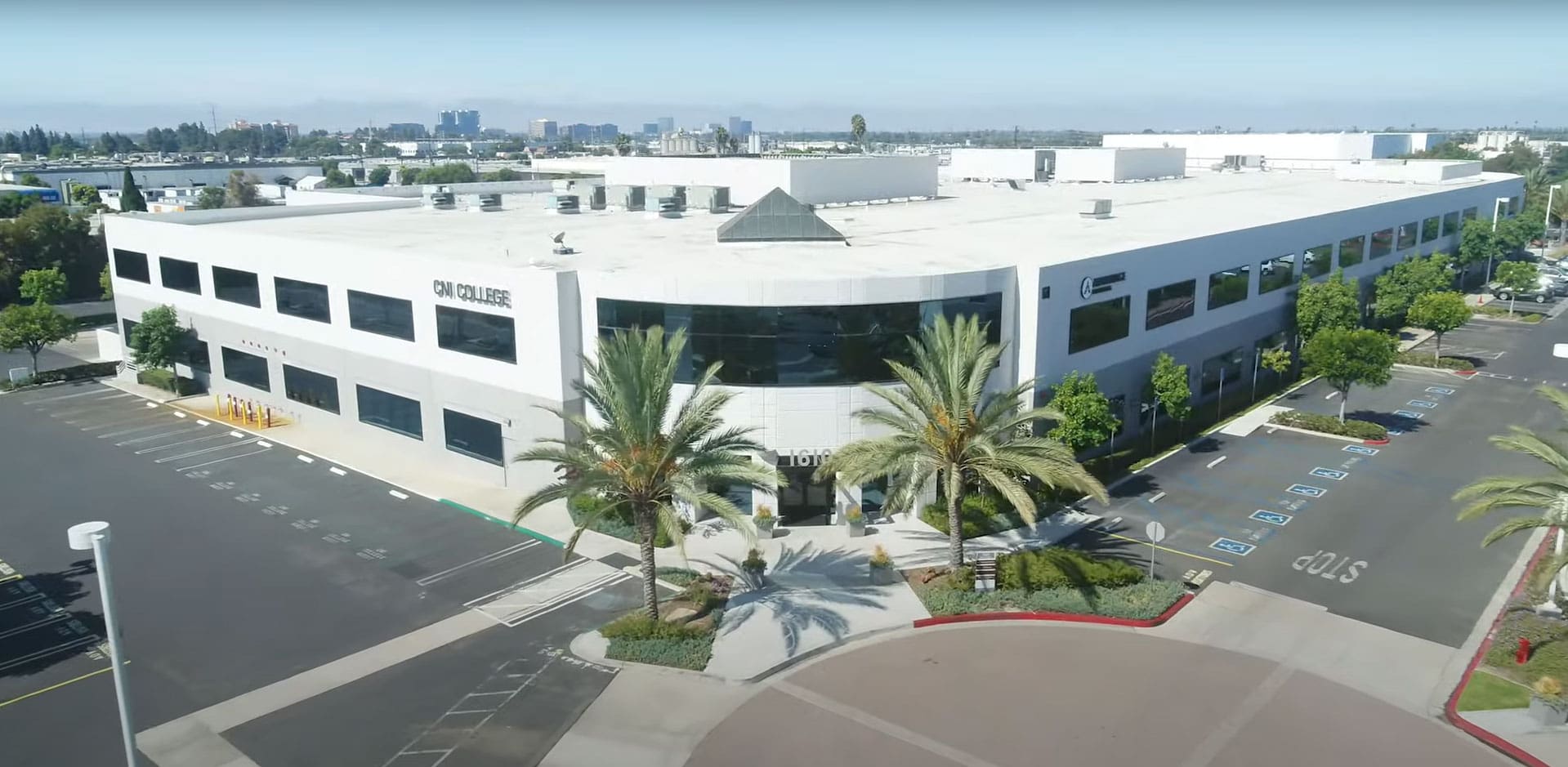
CNI College’s Nursing Program Learning Center is distinguished by its advanced facilities and comprehensive campus resources designed to enhance the educational experience of our students. The Center boasts nursing simulation rooms, skills laboratories, and modern classrooms equipped with WIFI and advanced learning technology, accommodating varying student capacities and facilitating a conducive learning environment. The science lab features computer-assisted virtual labs and is complemented by a library study room, student lounge, and extensive computer access, including personal laptops for BSN students, ensuring all have the tools necessary for success.
Central to our hands-on training approach are the Skills Lab and Simulation Lab, which replicate real-world acute care settings with high-fidelity patient simulators, including specialized setups for medical-surgical, pediatric, and OB care. These labs are equipped with a range of medical equipment and simulation manikins, supporting skills development in a controlled environment. Additional facilities include a media/observation room for debriefing and a clinical lab pack provided to each student, containing essential equipment and supplies for individual use. The labs operate extensive hours, staffed by dedicated faculty to support student learning and clinical practice, ensuring our graduates are well-prepared for their nursing careers with practical experience and competency.
FAQ
Vocational Nursing Program FAQ
What is the Vocational Nursing program at CNI College?
The Vocational Nursing program at CNI College is designed to prepare students with the practical skills and foundational nursing knowledge needed to care for patients in hospitals, clinics, and other structured healthcare environments. The curriculum covers essential areas such as basic nursing care, vital signs, patient assessments, documentation, and safe medication administration.
Training includes classroom instruction, skills lab practice, and supervised clinical rotations that help students apply what they learn in real-world settings. This combination of learning experiences is built to prepare graduates for entry-level vocational nursing roles and for the NCLEX-PN licensure exam.
How long does it take to complete the VN program?
The program is 13 months / 57 weeks, though the exact length may vary based on schedule, educational plan, transfer credits, and holidays.
What are the admission requirements for the program?
Key admission requirements for the VN program include:
- Passing the TEAS VII with ≥ 50% or the HESI A2 with ≥ 70%
- Completion of the ATI Smart Prep pre-VN course
- Completion of financial arrangements and enrollment agreement
- Required health exams, immunizations, and full medical disclosure
- Background check and drug screen clearance prior to clinical training
Do I need prior healthcare experience to apply?
No. The vocational nursing program does not require prior healthcare experience. Applicants simply need to meet entrance exam, background, and health requirements.
What is the class schedule like for VN students?
Vocational Nursing students follow a blended schedule that includes both classroom and hands-on learning. Students attend theory classes, skills lab, and clinical rotations Monday through Friday. The schedule is structured to alternate lecture, lab, and clinical days by cohort in order to fully utilize clinical site availability and faculty resources. Some clinical shifts may take place in the evening depending on site availability and program needs. As a clock hour-based program, attendance is significant and mandatory to ensure successful progression and completion.
Are there part-time or evening options available?
The Vocational Nursing program at CNI College is a full-time, on-campus program. While it is not offered in a part-time format, the schedule is designed to support students who need structured but predictable class days.
Students attend theory classes in the evenings on Tuesday, Wednesday, and Thursday, and complete labs and clinical rotations on Saturdays and Sundays. Some clinical shifts may take place in the evening depending on site availability and program needs. This schedule provides a full-time training experience without requiring daily attendance.
What is the cost of the program, and what does it include?
Charges include tuition, registration, books, and supplies, assessed according to the Tuition & Fee Policies section. The most up-to-date costs can be found in the CNI College Catalog.
Is financial aid or scholarship assistance available?
Yes. CNI College participates in Federal Financial Aid, including Pell Grants, Direct Loans, and other aid programs. Eligibility is determined by the FAFSA and federal guidelines. More details appear on the Financial Aid page.
What kind of hands-on training will I receive?
VN students complete required clinical experiences and laboratory skills training aligned with program competencies. Hands-on practice includes clinical procedures, medication administration, assessments, and simulation-lab work.
Where do students complete their clinical rotations?
Clinical sites vary and are assigned based on availability.
What is the NCLEX-PN pass rate for CNI College graduates?
The pass rate for the two most recent Quarters was 100%.
What support services are available to VN students?
Student services for VN students include:
- Advising and tutoring assistance
- Guidance services and counseling
- Library services including access to Burlew Medical Library and LIRN online library resources
- Career Services and job placement assistance
How does the program prepare students for the NCLEX-PN exam?
CNI College uses ATI resources in NCLEX preparation courses to help strengthen students’ understanding of key concepts and computerized adaptive testing.
What are the graduation requirements for the VN program?
To graduate, VN students must:
- Complete all courses with 75% or better
- Meet all classroom, lab, clinical, and clerical skill standards
- Complete all clinical hours with satisfactory evaluations
- Fulfill all financial obligations and attend required exit interviews
What kinds of jobs can I get after completing the VN program?
Graduates may work in:
- Nursing registries
- Skilled nursing facilities
- Hospitals
- Clinics
- Doctor’s offices
- Long-term care
- Corrections
- Home health
Does CNI College offer job placement assistance after graduation?
Yes. CNI College offers career services to help students prepare for job placement.
Can I transfer my credits to an RN or BSN program later on?
No. The credits do not transfer to our pre-licensure BSN Program.
What kind of simulation or lab experiences are included?
The Vocational Nursing program includes weekend skills labs and simulation training. Students practice in a 10-bed skills lab that mimics an acute care setting and use high-fidelity simulators, including adult and maternal–neonatal models, to build clinical skills. Simulation sessions include audio and video debriefing to strengthen learning.
How does CNI College accommodate students with families or full-time jobs?
While the VN program is full-time, CNI offers:
- Guidance and support services to help manage personal challenges
- Flexible clinical scheduling (including evenings/weekends when available)
The program is intensive, but services are available to support students balancing responsibilities.
Why should I choose CNI College over other nursing programs?
The CNI College VN Program offers:
- Strong focus on hands-on clinical training with diverse clinical schedules
- Comprehensive NCLEX-PN preparation using ATI resources
- Access to substantial academic support services
- A structured program that prepares students for entry-level LVN employment across many healthcare settings